Subway Protein Pockets: Nutrition, Protein Count and How They Compare to a Footlong
6 min read
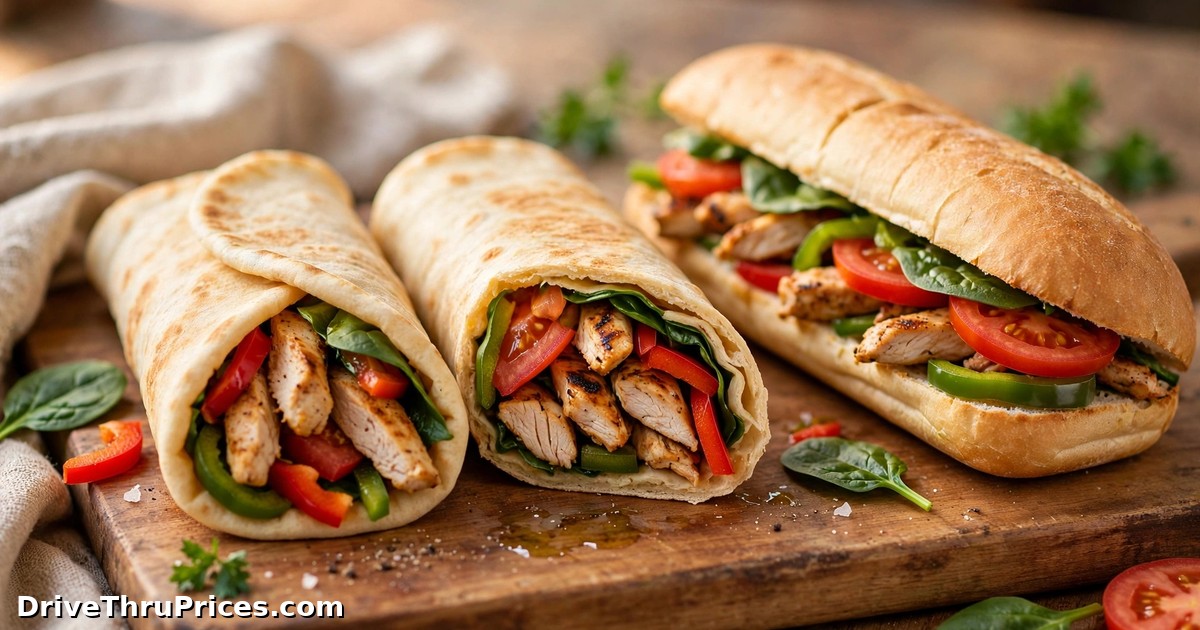
Subway’s contribution to the 2026 protein wave is the Protein Pocket: a sandwich’s worth of protein and vegetables folded into a soft, low-carb pocket instead of a roll. Launched as part of the chains’ protein and GLP-1 push, as Tasting Table covered, the Pockets are Subway’s attempt to keep the customer who wants the deli-sandwich flavor without the Footlong’s bread calories.
This guide breaks down the Protein Pockets’ nutrition — protein, calories, and carbs as published or reported at launch — and compares them line by line with the equivalent Footlong and 6-inch sandwiches. Figures are Subway’s published or widely reported launch values, rounded and presented as estimates; Subway’s online nutrition information is the authoritative and current source. This is menu reporting, not health advice.
Key Takeaways
- Subway Protein Pockets launched in 2026 as the chain’s low-carb, protein-first format, covered by Tasting Table as part of the industry’s GLP-1-era menu wave.
- A chicken Protein Pocket is reported at roughly 24 grams of protein and about 340 calories — close to a 6-inch sandwich’s protein in a smaller, lower-carb package.
- The Pocket’s bread swap is the whole story: roughly 20 fewer grams of carbohydrate than a 6-inch roll, and around 40 fewer than a Footlong.
- Pockets are priced an estimated $6.99–$8.49 — below most Footlongs ($7.99–$11.49 for classics) and near the 6-inch band.
- Against a Footlong, a Pocket trades total protein (a Footlong carries more food overall) for a better protein-to-calorie ratio.
What a Protein Pocket Is
A Protein Pocket takes a standard Subway build — sliced chicken or turkey, cheese, and the vegetable line — and folds it into a thin, pliable pocket wrap rather than the chain’s signature roll. The format launched with chicken and turkey builds, the two proteins Subway sells most for its nutrition-conscious customers, and it is made on the same line, with the same vegetables and sauces, as every other sandwich in the store.
The design intent is visible in what the format removes: the roll. A Footlong roll alone accounts for a large block of carbohydrate and calories before any filling goes in; the pocket wrap keeps the hand-held structure while cutting that base down substantially. What remains is mostly protein, cheese, and produce — which is the nutritional profile the 2026 menu wave is chasing.
Protein Pocket Nutrition
| Build | Calories (published/reported, est.) | Protein (est.) | Carbs (est.) |
|---|---|---|---|
| Protein Pocket — rotisserie-style chicken | ~340 | ~24 g | ~20 g |
| Protein Pocket — oven roasted turkey | ~320 | ~22 g | ~19 g |
| Protein Pocket — ham | ~310 | ~20 g | ~19 g |
| Protein Pocket — tuna | ~430 | ~20 g | ~20 g |
Exact figures depend on the build — cheese choice, sauce, and how heavily the vegetable line is loaded — and launch figures reported in coverage were for the standard recipes. Sauces move the totals more than any other variable: a mayonnaise-based sauce can add 80–110 calories to any row of this table without adding protein, while mustard, vinegar, and the light options add almost nothing. Subway’s full nutrition documents carry the current official values per build.
Pocket vs 6-Inch vs Footlong: The Full Comparison
Using the chicken build as the reference across all three formats:
| Format | Calories (est.) | Protein (est.) | Carbs (est.) | Price (est.) |
|---|---|---|---|---|
| Protein Pocket (chicken) | ~340 | ~24 g | ~20 g | $6.99–$8.49 |
| 6-inch chicken sandwich | ~380 | ~23 g | ~40 g | $6.99–$7.99 |
| Footlong chicken sandwich | ~720 | ~45 g | ~80 g | $9.99–$11.49 |
| Chicken wrap | ~540 | ~30 g | ~55 g | $8.49–$10.99 |
The comparison has a nuance worth stating plainly: the Footlong wins on total protein because it is simply twice the food — nobody’s label changes that arithmetic. Where the Pocket wins is ratio: roughly 24 grams of protein for about 340 calories is the best protein-per-calorie figure in the table, and for a diner deliberately eating a smaller meal, the Pocket delivers a 6-inch’s worth of protein without the roll’s carbohydrates. For the prices across the rest of the board, our Subway menu prices guide lists the full 2027 ranges, and our GLP-1 friendly fast food guide shows how the Pocket compares with Chipotle’s and Shake Shack’s answers to the same trend.
Who the Pocket Is Actually For
Three customers show up in the coverage and the format’s design. The GLP-1-era diner eating smaller meals, who wants a complete sandwich experience at a cup-sized calorie count. The low-carb eater, for whom the roll was always the obstacle — Subway’s previous answer was the salad, and a pocket is closer to a sandwich than a salad ever gets. And the price-watcher: at an estimated $6.99–$8.49, the Pocket is one of the few Subway formats that did not drift into double digits. What the Pocket is not is a health product with medical claims attached — it is a bread swap with good arithmetic, and the chain’s marketing, to its credit, mostly says exactly that.
Ordering one takes ten seconds of care: Pockets are built on the normal line, so every standard option — double meat, extra cheese, toasted or untoasted where the format allows, any sauce — applies, and each moves the nutrition table accordingly. Double meat is the upgrade most Pocket buyers actually want, adding roughly 8–10 grams of protein for an estimated $2.00–$2.50; it erases some of the price advantage over a Footlong but keeps the carb count where the format promises it. In the app, the Pocket appears alongside the sandwich formats with its nutrition shown per build, which is the easiest way to confirm your exact configuration before paying — figures at the counter and online occasionally differ by rounding, and the online calculator is the version Subway maintains.
Frequently Asked Questions
How much protein is in a Subway Protein Pocket?
The chicken build is reported at roughly 24 grams of protein, with turkey around 22 grams and ham around 20 grams, based on launch and published figures for standard recipes. Adding double meat raises the protein — and the price and calories with it.
How many calories are in a Protein Pocket?
Standard builds run roughly 310–430 calories depending on the protein, with chicken at about 340 and tuna highest because of its mayonnaise base. Sauces and cheese choices move the total; check Subway’s nutrition information for your exact build.
Is a Protein Pocket healthier than a Footlong?
It has fewer calories and far fewer carbohydrates, with a better protein-to-calorie ratio — and about half the total protein, because it is about half the food. “Healthier” depends on your goals; the measurable differences are the calories, carbs, and ratio shown in the comparison table.
How much do Protein Pockets cost?
An estimated $6.99–$8.49 at typical US stores, depending on build and market — below most Footlongs and in line with 6-inch sandwich pricing. Subway stores are franchised, so confirm your store’s price in the app.
Are Protein Pockets low-carb?
Lower-carb, yes — around 19–20 grams of carbohydrate in the standard builds, versus roughly 40 grams for a 6-inch sandwich and 80 for a Footlong. They are not zero-carb; the pocket wrap itself contains the majority of those grams.
Will Protein Pockets stay on the menu?
They launched as part of Subway’s protein-focused menu strategy in 2026 and are sold as a regular format rather than a limited-time item at most stores. Availability still varies by franchise, and Subway rotates formats periodically, so check your local store’s menu.